
North India Kalimpong Arabica Annual Report 2026 Caturra & Chandragiri – Cup Profile Update
Our 2026 annual update on Indian Arabica coffees features Caturra and Chandragiri, both scoring above 83. This report highlights their latest cup profiles, structure, and sourcing potential for roasters and green coffee buyers.
4/4/20262 min read
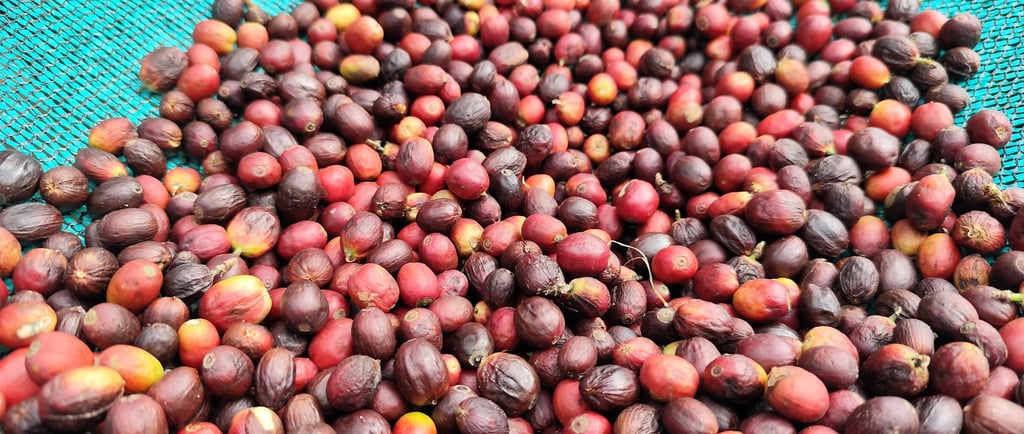
Over the past few years, Indian Arabica coffees have continued to gain recognition for their consistency and versatility in the specialty market. As part of our annual review, we are sharing this year’s evaluation of two lots from the same origin: Caturra and Chandragiri.
Both coffees were evaluated under SCA protocols and scored in the 83 range, placing them firmly within the specialty category. While they share a similar score range, their cup expressions offer distinct directions, making them suitable for different roasting strategies and market needs.
Caturra – Structured Brightness with Layered Sweetness
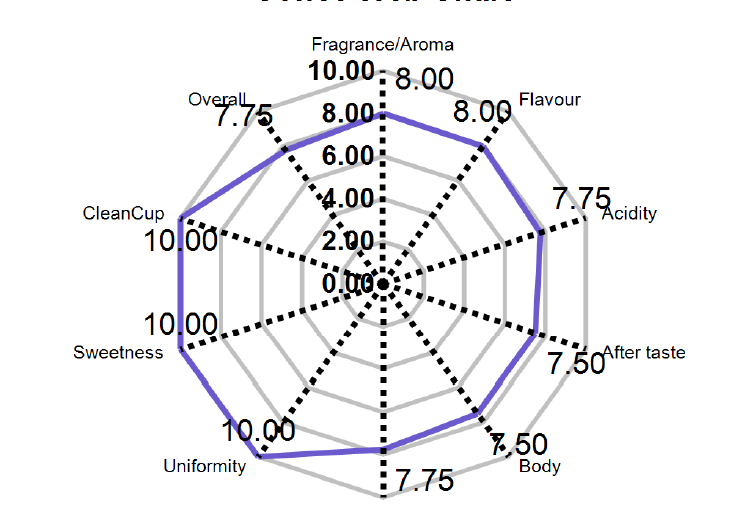
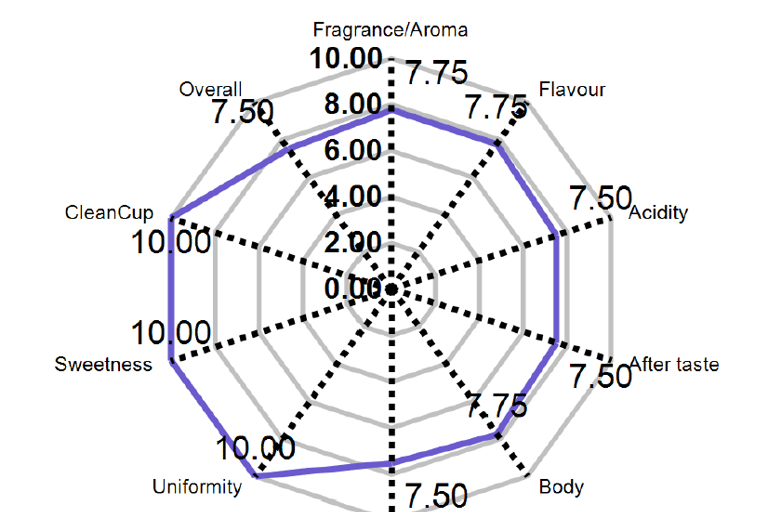
This year’s Caturra presents a clean and expressive cup, led by sweet lime, red apple, and subtle spice aromatics. The fragrance is immediately inviting, with a balance between freshness and sweetness.
In the cup, the profile develops into red berries, apple-like fruit tones, and soft citrus, supported by candied nuts and toasted nut sweetness. There is a gentle transition into a sweet chocolate-like finish, adding depth without overpowering the fruit character.
The acidity is best described as malic with a citrus lift—bright but not sharp—offering clarity while remaining approachable. The body sits in the medium to medium-plus range, giving the coffee enough structure for both filter and espresso applications.
The aftertaste lingers with subtle prune-like sweetness and citrus undertones, contributing to a well-rounded and cohesive finish.
Overall, this Caturra leans toward a balanced yet expressive profile, making it a strong candidate for:
Single origin offerings with broad appeal
Components in blends requiring fruit clarity and sweetness
Chandragiri – Soft, Nutty, and Accessible
In contrast, the Chandragiri offers a more restrained and comfort-driven profile.
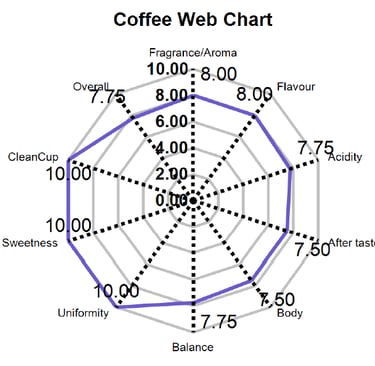
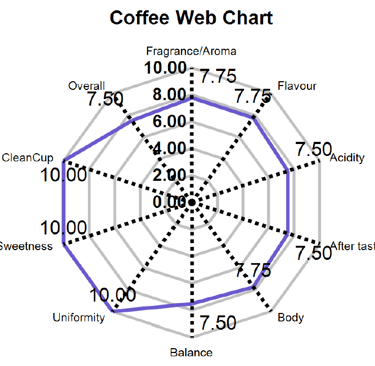
The aroma opens with citrus, brown spice, and light cereal notes, giving a warm and familiar first impression. On the palate, the cup reveals mild citrus, toasted nuts, and hints of red berry, complemented by candied nut sweetness.
Compared to the Caturra, the acidity here is more straightforward—clean citrus without pronounced complexity—which contributes to its easy-drinking nature.
The body is low to medium, resulting in a lighter mouthfeel that works well for high-volume brewing or everyday consumption. The finish is relatively short, with soft cereal tones and a touch of citrus fading quickly.
This Chandragiri is best understood as a coffee focused on balance and approachability, making it particularly suitable for:
House blends
Espresso bases
Reliable, repeatable daily offerings
Conclusion – Complementary Roles in a Balanced Portfolio
While both coffees fall within a similar scoring range, their profiles clearly diverge in application.
Caturra brings brightness, layered fruit, and a structured sweetness, offering more expression in the cup.
Chandragiri, on the other hand, emphasizes stability, softness, and ease of use, making it highly adaptable across different roast styles.
Rather than viewing them as alternatives, we see these coffees as complementary components within a sourcing portfolio:
One delivering character and definition
The other providing balance and consistency
For roasters and green buyers looking to build a well-rounded lineup, this pairing offers both flexibility and reliability—qualities that continue to define the evolving profile of Indian specialty coffee.
Himalayan Bloom Coffee
Connecting coffee lovers with Himalayan farmers worldwide.
© 2024. All rights reserved.